Showing posts with label pre-term birth. Show all posts

Friday, February 4, 2022

Preeclampsia, Perinatal Complications Linked to Developmental, Psychiatric Disorders in Children

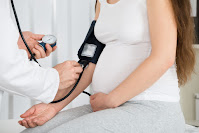
Preeclampsia and perinatal complications such as preterm birth and low birth weight may raise the risk of neurodevelopmental and psychiatric disorders in children and adolescents, a study in JAMA Network Open has found.

Linghua Kong, Ph.D., of the Karolinska Institutet in Stockholm and colleagues analyzed data from more than 1 million people born in Finland between January 1, 1996, and December 31, 2014. The researchers followed the children until December 31, 2018, when the oldest in the study were 22 years old. There were no twins, triplets, or other children born in multiple births in the study. The researchers used Finnish health registries to determine how many of the children’s mothers had preeclampsia while pregnant. They also determined how many children were born earlier than 34 weeks’ gestation or had low birth weight, defined together as perinatal complications.

Compared with children who were not exposed to preeclampsia or perinatal complications, children who were exposed only to perinatal complications had 1.77 times the risk of developing any neurodevelopmental or psychiatric disorder, and children who were exposed to both conditions had 2.11 times the risk. Children who were exposed only to preeclampsia did not appear to have increased risk when the researchers adjusted the results to account for shared familial risk factors.

Children who were exposed to both preeclampsia or perinatal complications also had 3.24 times the risk of intellectual disabilities, 3.56 times the risk of developmental disorders, 2.42 times the risk of attention-deficit/hyperactivity disorder and conduct disorders, and 2.45 times the risk of other behavioral and emotional disorders compared with children who were exposed to neither condition.

The researchers noted several limitations to the study, including a lack of data on paternal factors.

“[E]xploration of factors moderating and mediating the association of exposure to both preeclampsia and perinatal complications with neurodevelopmental and psychiatric disorders in offspring is warranted,” Kong and colleagues wrote.

(Image: iStock/AndreyPopov)


Don't miss out! To learn about newly posted articles in Psychiatric News, please sign up here.


Wednesday, August 5, 2015

Study Reports on Risks, Benefits of Taking SSRIs During Pregnancy


Treatment of maternal psychiatric disorders with selective serotonin reuptake inhibitors (SSRIs) during pregnancy was related to a lower risk of preterm birth and cesarean section but a higher risk of neonatal complications, according to an analysis of results from a large national birth cohort published Tuesday in AJP in Advance.

Finnish, American, and Swedish researchers analyzed data from Finnish national registries to compare outcomes for pregnant women exposed to SSRIs (N=15,729) with those who had a psychiatric diagnosis but did not use any SSRIs (N=9,652) and those who had no psychiatric diagnosis and no exposure to SSRIs (N=31,394).

The outcomes of interest were diagnoses related to pregnancy and delivery, including hypertension of pregnancy/preeclampsia, vaginal delivery or cesarean section, and bleeding during or after delivery. The researchers also looked at neonatal outcomes, including late preterm (32 to 36 gestational weeks) and very preterm birth (less than 32 weeks), small for gestational age, and neonatal problems, including a five-minute Apgar score less than 7, neonatal breathing problems, monitoring in a neonatal intensive care unit, and hospital stay at 7 days of age.

Women in the SSRI group had a lower risk of cesarean section, emergency or urgent cesarean section, and bleeding compared with women who had a psychiatric diagnosis but no medication (but a higher risk of cesarean section than women with no exposure and no diagnosis). Moreover, compared with the psychiatric diagnosis/no medication group, the SSRI group had a 16% lower risk of late preterm birth and a 48% lower risk of very preterm birth.

However, in SSRI-treated mothers, the risk was higher for offspring neonatal complications, including low Apgar score and monitoring in a neonatal intensive care unit.

AJP Editor Robert Freedman, M.D., told Psychiatric News that because both groups of women with psychiatric diagnoses in the study experienced problems, it suggests the illnesses themselves may be a major contributor to the risks previously ascribed to SSRIs. “However, the post-birth reaction of the baby to withdrawal from the maternal SSRI lowers Apgar scores and requires neonatal monitoring, sometimes for as long as a week. These babies are then discharged home with no known further consequences,” he added.

Freedman noted that the CDC and similar agencies in other countries monitor drug side effects and report them, even if they are rare, to alert clinicians and their patients of the existence of such side effects and their approximate frequency, but the CDC and other agencies do not generally conduct a risk-benefit analysis to directly guide clinical decisions.

“Prenatal depression is associated with a number of ill effects, not only on the health of the mother, but also on the fetus. These include shorter gestation with its attendant decrease in fetal development, poorer maternal-infant bonding, and slight but significant increase in the long-term risk for psychiatric illnesses ranging for autism spectrum disorder to schizophrenia,” he said. “If a mother has major depressive disorder or a similar serious anxiety disorder during pregnancy, generally treatment with appropriate medication and psychotherapy should be part of her regimen, but she and the father need to be fully aware of the calculus of risks and benefits of treatment versus no treatment that inform this decision. 

For related information, see the Psychiatric News article “SSRI Use in Late Pregnancy May Slightly Increase Risk of Newborn Respiratory Disease.

(Image: Coffeemill/shutterstock.com)

The content of Psychiatric News does not necessarily reflect the views of APA or the editors. Unless so stated, neither Psychiatric News nor APA guarantees, warrants, or endorses information or advertising in this newspaper. Clinical opinions are not peer reviewed and thus should be independently verified.