People with sickle cell disease and depression may experience more frequent pain episodes than those with the condition who do not have depression, suggests a report published yesterday in JAMA Network Open.
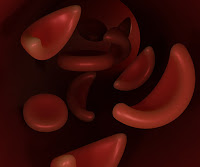
Sickle cell disease is an inherited blood disorder, characterized by abnormal hemoglobin (a protein in red blood cells), which interferes with red blood cells’ ability to transport oxygen to tissues. Additionally, sickled red blood cells often clump together, blocking the flow of healthy, oxygenated blood, which can result in severe pain—most commonly in the chest, arms, and legs.
“Although individuals with [sickle cell disease] experience a variety of complications, pain is a hallmark of the disease and often leads to increased health care utilization and hospitalizations, impacting overall quality of life,” wrote Kelly M. Harris, Ph.D., of the Washington University in St. Louis School of Medicine and colleagues. People with sickle cell disease also have higher rates of depression than those without the disease.
“The pathways through which [sickle cell disease] affects opportunity and life outcomes are relatively clear, but the impact that these outcomes in turn have on [sickle cell disease] symptoms and symptom severity is less defined,” they continued.
To understand the relationship between pain associated with sickle cell disease and mental health, educational attainment, and employment, Harris and colleagues examined patient registry and survey data collected by the U.S. Sickle Cell Disease Implementation Consortium.
The authors focused their analysis on 2,264 participants (56% identified as female; 96% identified as Black) who were aged 15 to 45 years (mean age, 28 years). Characteristics of this group included the following:
- 47% reported taking daily pain medication, and 49% reported taking hydroxyurea (a medication used to treat sickle cell disease).
- 33% reported having been diagnosed with depression and/or had in their medical record at least one documented treatment for depression.
- 48% reported experiencing more than four pain episodes in the prior 12 months.
- 78% reported their highest level of education as a high school diploma or lower.
- 54% reported an annual family income of $25,000 or less, and 41% were unemployed.
Statistical analysis by Harris and colleagues revealed that depression was associated with increased pain frequency, but not pain severity; individuals who reported having been diagnosed with depression were about 1.5 times as likely to have four or more pain episodes in a year compared with those without depression. Among other factors tested, educational attainment and income were not associated with increased pain frequency or severity; however, being unemployed and/or identifying as female was associated with increased pain frequency and severity.
“The findings of this cross-sectional study suggest that pain interventions cannot ignore screening for depression and other mental health challenges among patients with [sickle cell disease],” the authors reported. “Without proper screening and assessments for depression, we might overestimate other factors and overlook key factors or outcomes in this population.”
(Image: iStock/Love Employee)
APA Annual Meeting Starts Tomorrow!
APA’s 2023 Annual Meeting will kick off tomorrow, May 20, in San Francisco. Plenary speakers include actress and political activist Ashley Judd and New York Times best-selling authors Heather McGhee and Beth Macy. Can’t travel to the meeting? You don’t have to miss a beat with livestreamed sessions available through the Virtual Annual Meeting. Download the Annual Meeting app to find daily reporting by Psychiatric News throughout the meeting.