Showing posts with label osteoporosis. Show all posts

Friday, May 31, 2024

Schizophrenia Associated With Bone Fragility and Fracture Risk

A comprehensive review and meta-analysis published in Translational Psychiatry has affirmed that individuals with schizophrenia have more fragile bones than those without the disorder, which carries an increased risk of fractures.

“Our findings regarding poor bone health in people with schizophrenia are concerning, given previous studies have indicated that this population experiences more adverse events following a fracture event, including longer length of hospitalization, higher risk of adverse perioperative events and acute post-operative complications, and in turn increased healthcare costs,” wrote Behnaz Azimi Manavi, Ph.D., of Deakin University in Geelong, Australia, and colleagues. “[I]t is not unrealistic to suggest that poorer outcomes associated with bone fragility contribute to the higher mortality rate in this population.”

Manavi and colleagues examined data from 29 studies that compared markers of osteoporosis in adults with schizophrenia with those of adults without the disorder; this included studies assessing bone mineral density, bone quality (strength and stiffness), bone turnover (the rate new bone is laid down and old bone removed), and/or risk of fracture. The studies encompassed 52,246 adults with schizophrenia along with over 4 million control individuals.

In total, the study data indicated that adults with schizophrenia have lower bone density (particularly at the hip), poorer bone quality, and higher rates of bone turnover; no significant differences between males and females were identified. A meta-analysis of seven studies that included fracture data found that adults with schizophrenia have a 32% increased risk of fracture, after adjusting for potential biases, again with no risk difference between males and females.

Manavi and colleagues noted that since schizophrenia is associated with premature mortality and the risks of osteoporosis increase with age, their findings may underestimate the true burden of schizophrenia on bone health in older adults.

“Further research is needed to evaluate the etiology of bone fragility in this population and recognize modifiable risk factors such as lifestyle or medications to reduce the potential risk for this patient group. Importantly, there is a need to develop guidelines for preventing risk factors and predicting fracture in people with schizophrenia,” they concluded.

For related information, see the Psychiatric News article “Study Calculates Disability Caused by Schizophrenia.”

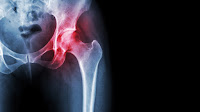
(Image: Getty Images/iStock/Fertnig)


Psychiatric News Seeks Contributions From Members

New Editor in Chief Adrian Preda, M.D., invites APA members to become involved in Psychiatric News by writing news or opinion articles on the topic of their choice or by applying for leadership positions to invite and curate articles from other members in new sections that include the areas of technology, sex and gender issues, advocacy, psychotherapy, integrated psychiatry and primary care, and consultation-liaison psychiatry. Interested? For more information, send an email to editor@psych.org.

Thursday, January 25, 2024

Osteoporosis May Raise Risk of Depression in Older Adults

Adults aged 50 or older who have osteoporosis are nearly twice as likely as those without to experience depression, according to a study published this week in Public Health.

“The treatment of osteoporosis has been a growing public health concern worldwide,” wrote Keng Chen, M.D., of Sun Yat-sen University in Shenzhen, China, and colleagues. “In the [United States], about 14.1 million adults aged 50 years and older had osteoporosis, and the prevalence rate showed a steadily increasing trend. … However, there are few studies investigating depression status in people with osteoporosis.”

Chen and colleagues used data from the National Health and Nutrition Examination Survey (NHANES), a nationally representative, ongoing program designed to assess the health and nutritional status of adults and children in the United States. The survey gathers data through both interviews and physical examinations. The researchers focused on data from NHANES participants who were aged 50 or older and completed the survey in the following two-year cycles: 2005 to 2006, 2007 to 2008, 2009 to 2010, 2013 to 2014, and 2017 to 2020.

The Patient Health Questionnaire-9 was used to determine if participants had depressive symptoms or probable depression. Those with scores of five or greater were considered to have depressive symptoms. Those with scores of 10 or greater were considered to have probable depression. Finally, participants were considered to have osteoporosis if their femoral neck bone mineral density was 2.5 or more standard deviations below the average for non-Hispanic White women aged 20 to 29 years in the study.

A total of 11,603 adults, 52.3% of whom were male, with an average age of 65 years were included. Additional findings of the study include the following:

  • 5.2% of the participants had osteoporosis, 21.4% had depressive symptoms, and 6.9% had probable depression.
  • Participants with osteoporosis were more likely to be older, female, non-Hispanic white, and current smokers.
  • Of participants with osteoporosis, 31.9% had depressive symptoms and 10.0% had probable depression.
  • After adjusting for confounding factors such as sociodemographic characteristics and lifestyle factors, participants with osteoporosis had a 73% higher risk of depressive symptoms and a 91% higher risk of probable depression, compared with those without osteoporosis.

“Our findings highlighted the importance of paying close attention to the psychological status of osteoporosis patients,” the authors concluded. “It may be necessary to evaluate the mental well-being of patients with osteoporosis in clinical and primary health care. Further studies are warranted to clearly establish the relationship between osteoporosis and depression.”

For related information, see the Psychiatric News AlertLithium Associated With Lower Osteoporosis in Patients With Bipolar Disorder.”

(Image: Getty Images/iStock/PeopleImages)


Don't miss out! To learn about newly posted articles in Psychiatric News, please sign up here.


Thursday, March 31, 2022

Lithium Associated With Lower Osteoporosis in Patients With Bipolar Disorder

Patients with bipolar disorder may be at a greater risk for osteoporosis, but treatment with lithium could reduce that risk, according to a study published yesterday in JAMA Psychiatry.

“These findings suggest that bone health should be a priority in the clinical management of bipolar disorder and that the potential bone-protective properties of lithium should be subjected to further study, both in the context of bipolar disorder and in osteoporosis,” wrote Ole Köhler-Forsberg, M.D., Ph.D., D.M.Sc., of Aarhus University Hospital in Denmark and colleagues.

The authors used data from nationwide Danish registries, including the Danish Psychiatric Central Research Register and the Danish National Patient Register, which contain information on inpatient, outpatient, and emergency visits, including diagnoses. They identified 22,912 patients who were diagnosed with bipolar disorder between 1996 and 2019, but only patients aged 40 and older were included in the analysis to focus on what the authors noted is a period when the risk of osteoporosis increases. Each patient was matched with five individuals from the general Danish population who did not have bipolar disorder, schizoaffective disorder, or osteoporosis (the control group).

The authors identified all patients who were prescribed lithium, valproate, lamotrigine, and/or any antipsychotic. Patients were considered to have osteoporosis if they had received a formal diagnosis or filled a prescription for medication to treat osteoporosis.

The incidence rate of osteoporosis among patients with bipolar disorder was 8.70 per 1,000 person-years compared with 7.90 per 1,000 person-years in the control group. The association between bipolar disorder and osteoporosis was more pronounced among men than women.

Among patients with bipolar disorder, 38.2% received lithium, 73.6% received an antipsychotic, 16.8% received valproate, and 33.1% received lamotrigine, with some patients receiving multiple drugs. Lithium treatment was associated with a substantial and statistically significant decrease in the risk of osteoporosis compared with no lithium treatment. No such association was found for any of the other treatments.

The researchers also examined the relationship between cumulative dose of the medications and osteoporosis. Only lithium treatment corresponding to more than two years was associated with a statistically significant decrease in risk of osteoporosis, they wrote. The higher the cumulative lithium dose, the greater the decrease in risk of osteoporosis.

“[B]one health should be a priority in the clinical management of bipolar disorder,” the authors wrote. They noted that patients should be guided toward lifestyles that support bone health, such as by not smoking, reducing alcohol intake, maintaining a healthy diet, and exercising. Monitoring bone density via scans, they added, may also be warranted.

For related information, see the Psychiatric News article “Patients Taking Psychotropic Medications Found to Be at Elevated Risk of Fractures.”

(Image: iStock/stockdevil)


Don't miss out! To learn about newly posted articles in Psychiatric News, please sign up here.


The content of Psychiatric News does not necessarily reflect the views of APA or the editors. Unless so stated, neither Psychiatric News nor APA guarantees, warrants, or endorses information or advertising in this newspaper. Clinical opinions are not peer reviewed and thus should be independently verified.