Showing posts with label gender identity. Show all posts

Tuesday, May 6, 2025

Conversion Therapy Linked to High Blood Pressure, Other Cardiovascular Risk

Exposure to conversion therapy, which attempts to change one’s sexual orientation and/or gender identity, may increase several risk factors for cardiovascular disease in young people, a study published today in JAMA Network Open has found.

James K. Gibb, M.Sc., M.A., of Northwestern University, and colleagues examined data from 703 people who participated in RADAR, an observational study following transgender women, gender-nonconforming individuals, and men who have sex with men between the ages of 16 and 29. Participants in RADAR have follow-up visits every six months at which they provide blood samples, have their blood pressure taken, and are evaluated for HIV risk, substance use, and other social and psychological measures.

This analysis included data from the follow-up visit scheduled between December 2023 and October 2024; this marked the first visit in which researchers assessed the participants’ exposure to conversion therapy by asking, “Have you or any person with authority (parent, caregiver, counselor, community leader, etc.) ever tried to change your sexual orientation or gender identity?”

Overall, 10.2% of the sample reported exposure to conversion therapy. Among those, 58.3% reported a year or less of exposure, while 41.7% reported more than a year. The mean age of first exposure was about 13 years, with the mean age of last exposure about 16.5 years. More than half reported exposure due to a parent.

After adjusting for sociodemographics, the researchers found that systolic blood pressure, diastolic blood pressure, and systemic inflammation index (based on levels of inflammatory proteins in blood samples) were 4.45 mm Hg, 3.58 mm Hg, and .72 points higher, respectively, in participants who were exposed to conversion therapy compared with those without exposure. The increases were more profound in participants with more than a year of exposure. Results were similar after the researchers further adjusted for body mass index, HIV status, and tobacco use.

The researchers noted several possible mechanisms for increased cardiovascular risk after exposure to conversion therapy, including chronic stress and epigenetic changes.

“Our findings support and extend the evidence illustrating a deleterious effect of [conversion therapy] on psychosocial health,” the researchers wrote. “Our findings also support bans on [conversion therapy] and enforcement of existing bans to eventually eliminate the adverse health consequences associated with these practices.”

For related information, see the Psychiatric News article “‘Conversion Therapy’ Misleads, Harms Patients.

(Image: Getty Images/iStock/TWPhotography)


Don't miss out! To learn about newly posted articles in Psychiatric News, please sign up here.

Follow Psychiatric News on X, LinkedIn and Instagram!


Monday, April 29, 2024

Young Adults Often Know Signs of Opioid Overdose, but Not How To Give Naloxone

A majority of young adults can correctly identify at least one sign of opioid overdose, but relatively few know how to administer naloxone, a study in JAMA Pediatrics has found.

Christina E. Freibott, M.P.H., of the Boston University School of Public Health and colleagues examined data from 7,071 young adults aged 18 to 25 attending an institution of higher learning who participated in the 2021-2022 Healthy Minds study. The participants answered four questions adapted from the Opioid Overdose Knowledge Scale and the Opioid Overdose Attitudes Scale about the following:

  • What naloxone is used for.
  • What the signs of opioid overdose are.
  • Whether the participants knew how to use naloxone.
  • Whether participants would be concerned about calling emergency services during an overdose event in case they got into trouble with their school or the police came.

The researchers found the following:

  • 30.2% of participants correctly identified what naloxone is used for.
  • 61.9% of participants correctly identified at least one sign of opioid overdose.
  • 14.2% of participants reported knowing how to administer naloxone.
  • 66.8% of participants felt comfortable calling emergency services during an overdose event.

There were significant differences in responses to all four questions based on race and ethnicity, gender identity, and sexual orientation. For example, participants who identified as Alaska Native or Pacific Islander were more likely to be knowledgeable about naloxone, correctly identify a sign of overdose, and be willing to intervene in an emergency than other racial and ethnic groups. Participants who identified as transgender or gender-expansive were more knowledgeable about naloxone compared with people who identified as males or females, but less likely to call emergency services. People who identified as lesbian, gay, bisexual, or queer were more knowledgeable about naloxone than heterosexual participants, but also less likely to call emergency services.

“Future research should explore person-centered approaches, clustering [young adults] into clinically meaningful subgroups to inform prevention and educational initiatives for a population experiencing increases in overdose fatalities,” Freibott and colleagues concluded.

For related information, see the Psychiatric News article “AMA Backs Making Overdose Reversal Meds Accessible in Schools.”

(Image: Getty Images/iStock/Drazen Zigic)


Don't miss out! To learn about newly posted articles in Psychiatric News, please sign up here.


Tuesday, September 6, 2022

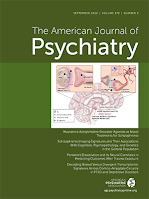
AJP Editors Outline Ongoing Efforts to Address Racism, Publication Biases

Prioritizing papers that examine the impacts of systemic racism and health care inequities and creating a program for residents of diverse backgrounds to learn about the publishing process are just two of several changes made in the past two years by the American Journal of Psychiatry (AJP) to address structural racism and social injustice. So wrote AJP Editor-in-Chief Ned H. Kalin, M.D., and the Journal’s deputy and executive editors in an editorial appearing in the September issue.

“This editorial update is meant to show that we have endeavored to incorporate diversity and inclusion efforts into all aspects of our editorial processes,” Kalin and colleagues wrote. “[W]e are committed to continuing these efforts in order to attain substantial progress in the coming years.”

The editors outlined several changes to AJP’s submissions process meant to ensure that research reports on human subjects include complete sociodemographic data related to race, ethnicity, sex, and gender identity.

When authors submit manuscripts to AJP, they will now be required to answer the following yes/no questions (a comment box will allow the authors to elaborate on any of their responses):

  • Does your submission indicate how participant race and participant ethnicity were ascertained?
  • Does your submission distinguish between assigned sex at birth and gender identity?
  • Does your submission indicate how sex and gender were ascertained?
  • Is your sample representative of the population from which it was drawn?

Reviewers of AJP manuscripts will be encouraged to “take note of the authors’ responses to participant recruitment data and to engage in a dialogue among authors, reviewers, and editors about adequacy of efforts,” Kalin and colleagues wrote.

“We announce these initiatives as merely the initial steps in an ongoing process of improvement, and we will provide regular reports on this process,” the authors concluded. “By improving how we review submitted research papers, our intent is to have an effect further upstream by influencing how studies are designed, conducted, analyzed, and reported so that ultimately all individuals will be represented in papers published in the American Journal of Psychiatry.”

For related information, see the Psychiatric News articles “On Structural Racism and Mental Illness” and “Article on Dismantling Racism in Psychiatry Among 2021 AJP Editor’s Picks.”


APA Wants to Know More About You!

APA is committed to anti-racism and ensuring diversity, equity, and inclusion across the Association. Sharing demographic data helps APA meet these goals. In addition to that information, let APA know about your interests and practice profile to help us better serve you with resources and benefits relevant to you!

UPDATE MEMBER PROFILE

Tuesday, March 1, 2022

Physician Groups Oppose Criminalization of Gender-Affirming Care

APA and its five partner organizations, collectively known as the Group of Six, issued a statement yesterday expressing their strong opposition to the criminalization of gender-affirming care. The statement comes in response to a directive issued by Republican Texas Gov. Greg Abbott, in which he told state agencies to classify gender-affirming care as child abuse under state law. 

“All patients must have access to evidence-based health care, regardless of their gender identity or sexual orientation,” the statement reads. “Our organizations will not stand for any efforts that discriminate against transgender and gender-diverse individuals and cause harm to their health and well-being.” 

The Group of Six includes APA, the American Academy of Family Physicians, the American Academy of Pediatrics, the American College of Obstetricians and Gynecologists, the American College of Physicians, and the American Osteopathic Association.

On February 18, Texas Attorney General Ken Paxton issued an opinion stating that gender-affirming care of children, such as surgical interventions or puberty-suppressing drugs, “can legally constitute child abuse” under Texas law. In response, on February 22, Abbott sent a letter to the Texas Department of Family and Protective Services (DFPS), which is responsible for investigating charges of child abuse. “Texas law … imposes a duty on DFPS to investigate the parents of a child who is subjected to these abusive gender-transitioning procedures, and on other state agencies to investigate licensed facilities where such procedures may occur,” Abbott said in the letter. 

Abbott further specified that Texas law includes reporting requirements for health care professionals who have direct contact with children “who may be subject to such abuse,” including doctors and nurses. The law also “provides criminal penalties for failure to report such abuse,” Abbott said. The New York Times reported that it is unclear how Abbott’s directive, which does not change Texas law, will be enforced.

“As physicians our job is to support the health and well-being of our patients,” the Group of Six said in the statement. “The trusted relationship between a physician and their patient should never be jeopardized by the actions of policymakers, and a physician should not be criminalized or penalized for providing care. Furthermore, the insertion of non-scientific standards into clinical decision making and care interferes with the doctor-patient relationship and prevents the provision of appropriate care.”

This is not the first time the organizations have spoken out against such state actions. Last year, they issued a similar statement that outlined their firm opposition to several bills being deliberated in state legislatures that would restrict gender-affirming care.

“All patients must have access to evidence-based health care, regardless of their gender identity or sexual orientation,” yesterday’s statement reads. “We will continue to advocate to ensure their health needs are met and supported, not put in danger.”

For related information, see the Psychiatric News article “Record Number of Anti-Trans Bills Filed in States This Year.”


Don't miss out! To learn about newly posted articles in Psychiatric News, please sign up here.


Friday, January 19, 2018

APA Voices Concerns About Broadening Religious-Based Exemptions in Health Care


APA today issued a statement expressing concerns that broadening religious exemptions for health care providers would allow them to discriminate and deny care because of a patient's gender identity, sexual orientation, or reproductive health decisions.

The statement comes one day after the Department of Health and Human Services announced the creation of the Conscience and Religious Freedom Division within the Office of Civil Rights. It will be responsible for handling complaints by health care workers who feel their beliefs conflict with the care they are being asked to provide.

“I am deeply concerned that our patients—many of whom already face unique health challenges—may now be denied care because of their providers’ personal beliefs. We know that discriminatory policies harm our patients’ mental health and well-being,” APA CEO and Medical Director Saul Levin, M.D., M.P.A., said in the statement. “Laws allowing religious refusals of care must avoid harming patients’ health or imposing another’s moral beliefs on patients.”

In a November 2017 letter from APA to HHS, Levin wrote, “The mission of DHHS is ‘to enhance and protect the health and well-being of all Americans,’ and we are concerned about any regulatory changes that would roll back protections to ensure all patients are treated with dignity and respect and have access to care without fear of discrimination.”

(Image: iStock/JTSorrell)

The content of Psychiatric News does not necessarily reflect the views of APA or the editors. Unless so stated, neither Psychiatric News nor APA guarantees, warrants, or endorses information or advertising in this newspaper. Clinical opinions are not peer reviewed and thus should be independently verified.